The Best Books on Money Mindset
You can know every rule of personal finance and still get it wrong, because money decisions are made by people, not spreadsheets. These books are about the human side: why we overspend, why we panic-sell, why enough is such a hard number to name, and how the people who handle money well actually think.
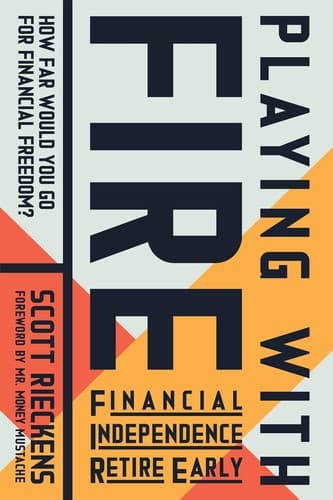
The Psychology of Money
Timeless lessons on wealth, greed, and happiness. Morgan Housel explores how our relationship with money is shaped by our emotions, biases, and personal history — not spreadsheets.
- ★Wealth is what you don't spend — it's invisible by nature
- ★Reasonable > rational when it comes to financial decisions
- ★Saving is the gap between your ego and your income
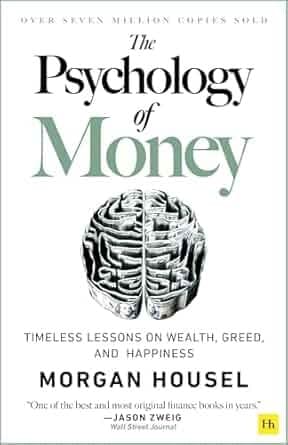
The Millionaire Next Door
The surprising truth about America's wealthy. Based on research of actual millionaires, Stanley reveals they live below their means, drive used cars, and accumulate wealth quietly.
- ★Most millionaires don't look like millionaires
- ★Living below your means is the foundation of wealth
- ★High income ≠ high net worth
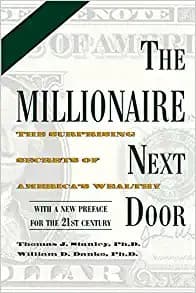
The Art of Spending Money
Most personal finance books tell you how to save. Housel asks a harder question: how do you spend in a way that actually makes you happy? A follow-up to The Psychology of Money that's equally sharp.
- ★Spending is a skill — most people are bad at it
- ★Experiences compound; things depreciate
- ★The goal isn't to spend less — it's to spend on what matters
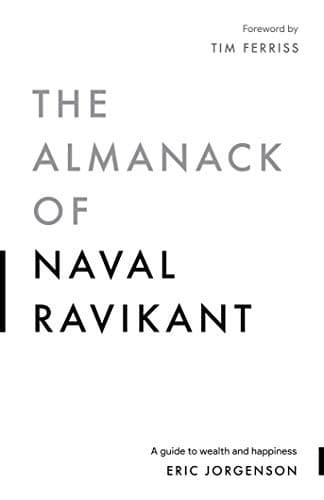
The Almanack of Naval Ravikant
A curated collection of Naval Ravikant's wisdom on wealth and happiness. Not a finance book in the traditional sense — a philosophy of building leverage, making clear decisions, and defining wealth on your own terms.
- ★Seek wealth, not money — wealth is assets that earn while you sleep
- ★Specific knowledge can't be taught; it's built through obsession
- ★Play long-term games with long-term people
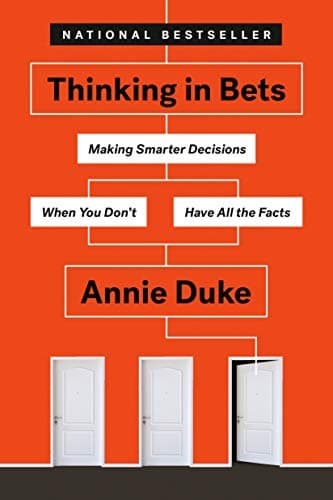
Thinking in Bets
by Annie Duke
A former World Series of Poker champion explains why smart people make bad decisions — and how to think probabilistically instead. Directly applicable to investing, financial planning, and any high-stakes decision.
- ★Separate decision quality from outcome quality — they're not the same
- ★Resulting: judging a decision by its outcome is a cognitive trap
- ★Think in probabilities, not certainties
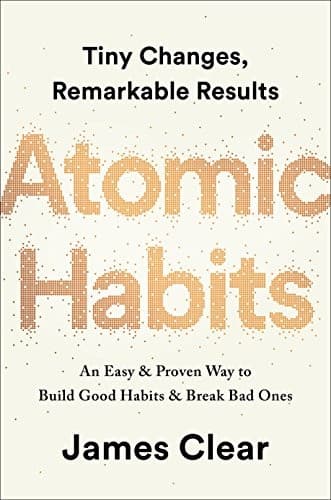
Atomic Habits
by James Clear
The definitive guide to building habits that stick. While not a finance book, the framework applies directly to saving, investing, and spending — the financial behaviors that compound over a lifetime.
- ★Small habits compound into remarkable results over time
- ★Identity-based habits are more durable than outcome-based ones
- ★Make good habits obvious, attractive, easy, and satisfying
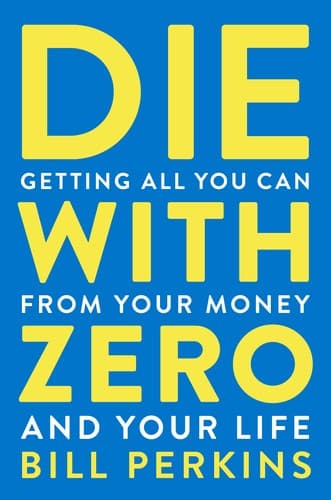
Die With Zero
by Bill Perkins
A provocative counterargument to conventional retirement wisdom. Perkins argues that dying with money left over is a financial planning failure — the goal should be to maximize your life experiences while you still have the health and energy to enjoy them.
- ★Dying with money unspent means you traded life energy for nothing
- ★Experiences create 'memory dividends' that pay out for the rest of your life
- ★Give money to your kids when they're young enough to use it — not after you're gone
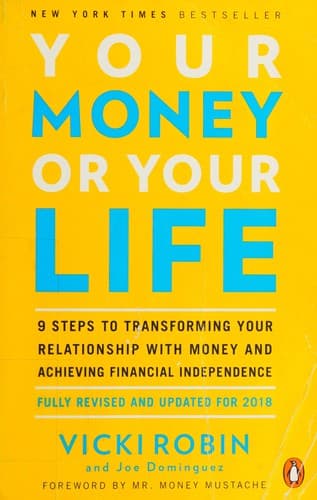
Your Money or Your Life
by Vicki Robin
The book that started the FIRE movement, written in 1992 and still unmatched. Robin and Dominguez reframe money as life energy — every dollar you spend costs not just cash but hours of your finite time on earth. The most philosophically rigorous personal finance book ever written.
- ★Money is life energy: every purchase costs a portion of your irreplaceable time
- ★The 'real hourly wage' is far lower than your salary once you account for work-related expenses
- ★Track every dollar — awareness alone changes spending behavior
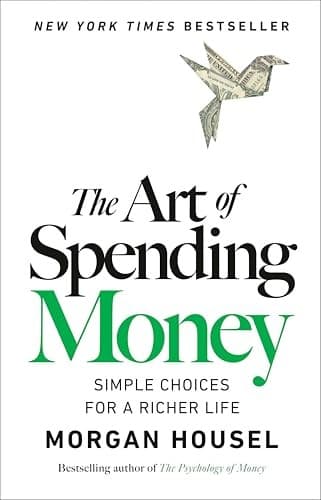
Playing with FIRE
One family's real, messy attempt at financial independence — told as a story rather than a system. Rieckens documents the arguments, the trade-offs, and the lifestyle changes that FIRE actually demands, which most books gloss over.
- ★FIRE is a relationship decision as much as a financial one
- ★The big three — housing, transport, food — decide your savings rate
- ★Lifestyle inflation is the quiet enemy of independence