The Best Investing Books
Most investing advice is either too vague to act on or too complicated to stick with. The books here are neither. They cover the same core argument from different angles — costs matter, diversification works, and the hardest part is doing nothing — and range from a weekend read to the reference you'll keep for a decade.
The Simple Path to Wealth
by JL Collins
The clearest, most no-nonsense roadmap to financial independence ever written. Collins distills decades of investing wisdom into one simple truth: own index funds, avoid debt, and let time do the work.
- ★F-you money is the foundation of a free life
- ★Index funds beat almost every other investment strategy
- ★Avoid debt like the illness it is
The Wealth Ladder
A data-driven guide to building wealth at every stage of life. Maggiulli maps out the specific strategies that actually move the needle depending on where you are financially — not one-size-fits-all advice.
- ★Different financial stages require different strategies
- ★Data beats intuition in personal finance decisions
- ★Early career: focus on income growth over optimization
Quit Like a Millionaire
How two engineers retired in their early 30s — without a trust fund, inheritance, or lucky startup exit. A practical, math-first guide to FIRE (Financial Independence, Retire Early) that actually shows the numbers.
- ★Early retirement is a math problem, not a lifestyle fantasy
- ★The 4% rule: withdraw 4% of your portfolio annually to never run out
- ★Geographic arbitrage can dramatically accelerate your timeline
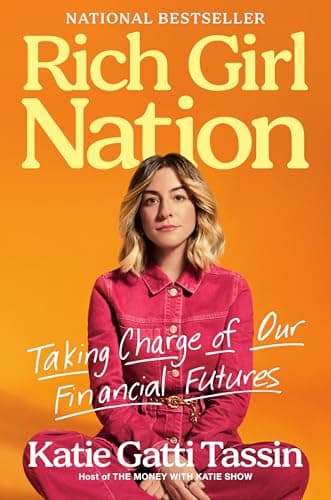
Rich Girl Nation
From the creator of Money with Katie, a leveled-up finance guide for women navigating a system that wasn't designed for them. Practical, sharp, and unapologetically direct about the wealth gaps that matter.
- ★The gender wealth gap is structural — understanding it is the first step
- ★Investing aggressively early is the single biggest lever for women
- ★Don't wait for a partner to start building wealth
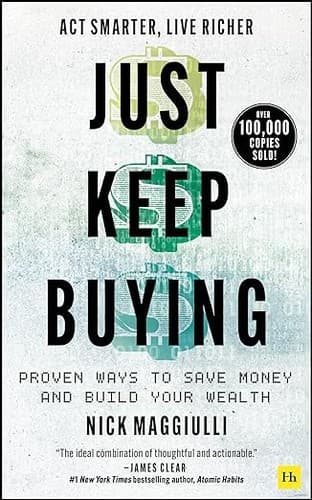
Just Keep Buying
Data-driven answers to the questions most personal finance books argue about endlessly. Maggiulli — the analyst behind Of Dollars and Data — cuts through financial debate with research: when to save vs. invest, how much to save, whether to pay off debt or invest, and why the best strategy is usually the one you'll actually stick to.
- ★For most people, investing more matters more than investing better
- ★Lump sum investing beats dollar-cost averaging roughly two-thirds of the time
- ★The hardest part of investing is doing nothing when everything feels wrong
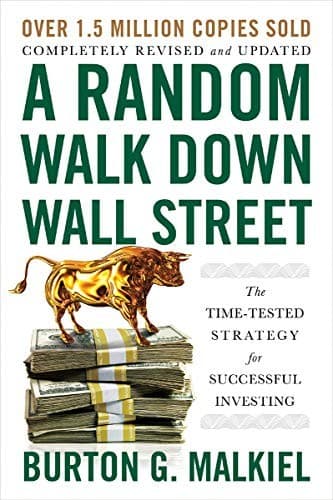
A Random Walk Down Wall Street
The academic foundation of passive investing, first published in 1973 and updated through the present day. Malkiel's central argument — that stock prices follow a random walk and cannot be consistently predicted — laid the intellectual groundwork for the index fund revolution before Vanguard even existed.
- ★Stock prices incorporate all available information; consistently beating the market is near impossible
- ★Technical and fundamental analysis rarely outperform a simple buy-and-hold index strategy
- ★Diversification is the only free lunch in investing
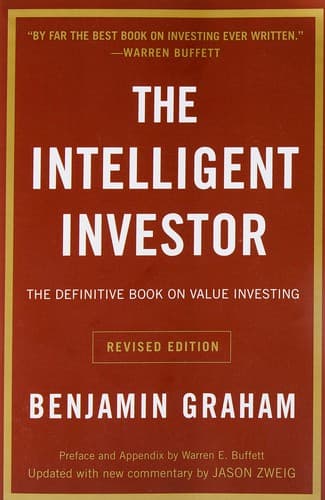
The Intelligent Investor
Warren Buffett calls this 'by far the best book on investing ever written.' Graham's framework for value investing — buying stocks at a discount to their intrinsic value and maintaining a margin of safety — has shaped more successful long-term investors than any other text in the history of markets. Dense, but foundational.
- ★The market is a voting machine in the short run and a weighing machine in the long run
- ★Mr. Market is your servant, not your guide — exploit his irrationality, don't follow it
- ★Margin of safety: never pay full price; always leave room to be wrong
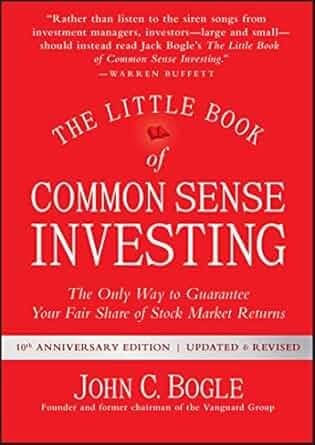
The Little Book of Common Sense Investing
The founder of Vanguard makes the definitive case for index fund investing. Simple, boring, and devastatingly effective — the only strategy most investors will ever need.
- ★Index funds beat most actively managed funds over time
- ★Costs are the enemy of returns — minimize fees relentlessly
- ★Don't try to beat the market; own the market
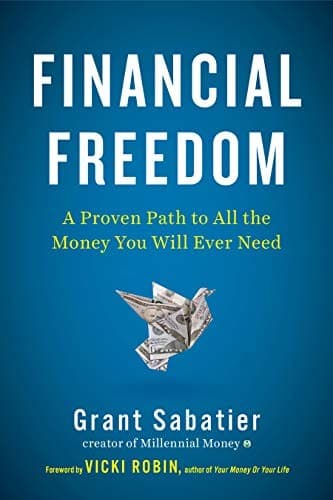
Financial Freedom
Sabatier went from $2.26 in his bank account to $1 million in five years. Unlike most FIRE books, this one is weighted toward the income side — side hustles, salary negotiation, and building earning power — rather than squeezing the last dollar out of a budget.
- ★There are only so many expenses to cut, but income is uncapped
- ★Calculate your real hourly rate — it changes how you value purchases
- ★Front-load saving aggressively; the early years do the heavy lifting
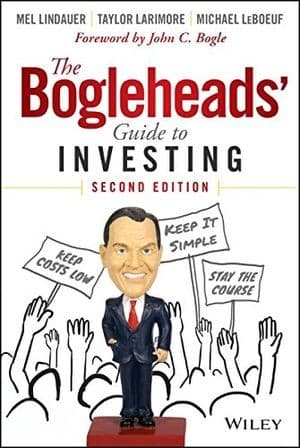
The Bogleheads' Guide to Investing
by Mel Lindauer, Taylor Larimore & Michael LeBoeuf
The community handbook built around Jack Bogle's principles: keep costs low, keep it simple, stay the course. Broader than Bogle's own books — it covers asset allocation, tax efficiency, and account placement in practical detail.
- ★A simple three-fund portfolio beats most complex strategies
- ★Asset location matters — put the right assets in the right accounts
- ★Costs and taxes are the two things you can actually control