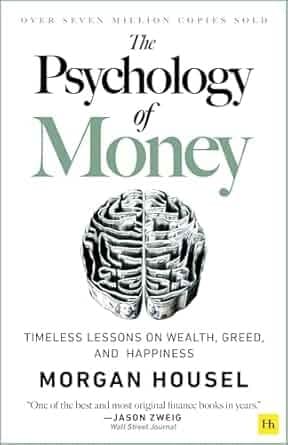
Before recommending anything, it's worth naming why The Psychology of Money worked, because "books like it" means different things depending on which part got you.
Morgan Housel's book succeeded on three counts: short self-contained chapters, arguments carried by stories rather than formulas, and a central claim that doing well with money has more to do with behavior than intelligence. Different follow-ups deliver different pieces of that.
If you loved the storytelling
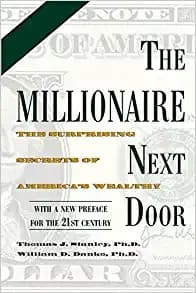
The Millionaire Next Door is the closest match in spirit. Thomas Stanley's research found that the people who actually accumulate wealth in America mostly look nothing like the cultural image of wealth — they drive used cars, live in ordinary neighborhoods, and are frequently outspent by neighbors earning far less.
Like Housel, Stanley is really writing about behavior. The difference is that his conclusions come from survey data rather than parables, which makes the same argument land with more evidential weight.
If you loved the chapters on luck and risk
Housel's best chapter argues that outcomes are shaped by forces you didn't control, and that judging decisions by their results is a trap. Annie Duke's Thinking in Bets is an entire book on that idea.
Duke was a professional poker player, and her core concept — "resulting," the error of grading a decision by whether it happened to work out — is directly applicable to investing. A good decision can lose money. A terrible one can make you rich. Most people learn the wrong lesson from both, and then repeat it.
If you want to change behavior, not just understand it
This is the honest gap in Housel's book: it's a superb diagnosis with relatively little prescription. You finish it understanding why you behave badly with money, and without a mechanism for behaving differently.
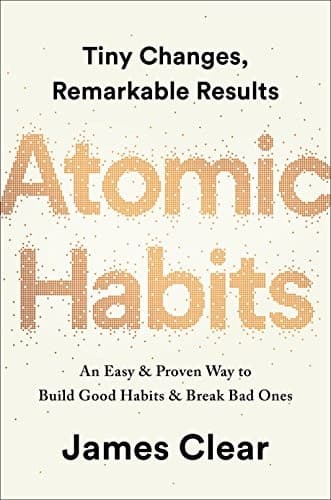
Atomic Habits is that mechanism. James Clear isn't writing about money, but the machinery transfers cleanly — automate the saving, make the good behavior the default, and build an identity ("I'm someone who invests every month") rather than relying on willpower. Read as a pair, Housel explains the problem and Clear supplies the fix.
If the chapter on "enough" hit hardest
For a lot of readers the most uncomfortable idea in the book is that the goalposts move — that people who could stop, don't.
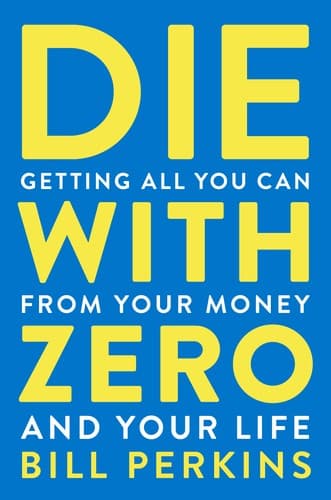
Bill Perkins' Die With Zero pushes that thought considerably further, arguing that dying with a large unspent balance represents a failure of planning: unconverted life experience. It's a genuine counterweight to accumulation-focused finance writing, and it'll irritate you productively.
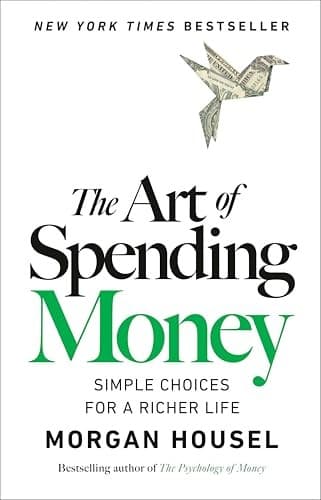
Housel's own follow-up, The Art of Spending Money, covers similar territory from the other direction — treating spending as a skill most people never develop.
What not to read next
Housel readers are often pointed toward the motivational end of the finance shelf — the mindset-and-mentors genre, with Rich Dad Poor Dad as the usual gateway. It's a reasonable-looking recommendation and generally a disappointing one.
Those books are parables written to inspire action, and their specifics are frequently contested or unfalsifiable. Housel's appeal is the opposite: careful, evidence-anchored, and comfortable admitting uncertainty. Readers who go looking for more of that and land in the motivational aisle usually bounce off, then conclude they don't like finance books — when in fact they liked one particular kind.
If you want more Housel, stay with writers who show their evidence.